

Rebranding for Growth: Why Businesses Must Evolve to Win New Markets
Every brand is born perfect for its moment. The problem is that moments pass. The market you launched into five years ago no longer exists. Your customers have changed, your competitors have multiplied, and the story that once made you distinctive may now make you invisible. This is where rebranding stops being a cosmetic exercise and becomes a growth strategy.
A rebrand is not a new logo. It is a decision to meet the market where it is going, not where it was.
The Signals That It Is Time
Most businesses wait too long. They treat the brand like furniture, something you buy once and live with. But there are clear signals that your brand is holding you back: your visual identity feels dated next to younger competitors, your best prospects do not understand what you actually do, your pricing power is slipping, or your business has outgrown the story it tells. If you are winning on relationships but losing on perception, the brand is the bottleneck.

Rebranding Is a Business Decision First
The strongest rebrands start in the boardroom, not the design studio. Before a single colour is chosen, you must answer strategic questions. Which markets are we trying to win next? Who is the customer we want, not just the customer we have? What do we want to be famous for in three years? A rebrand that is not anchored to a growth ambition is just redecoration.
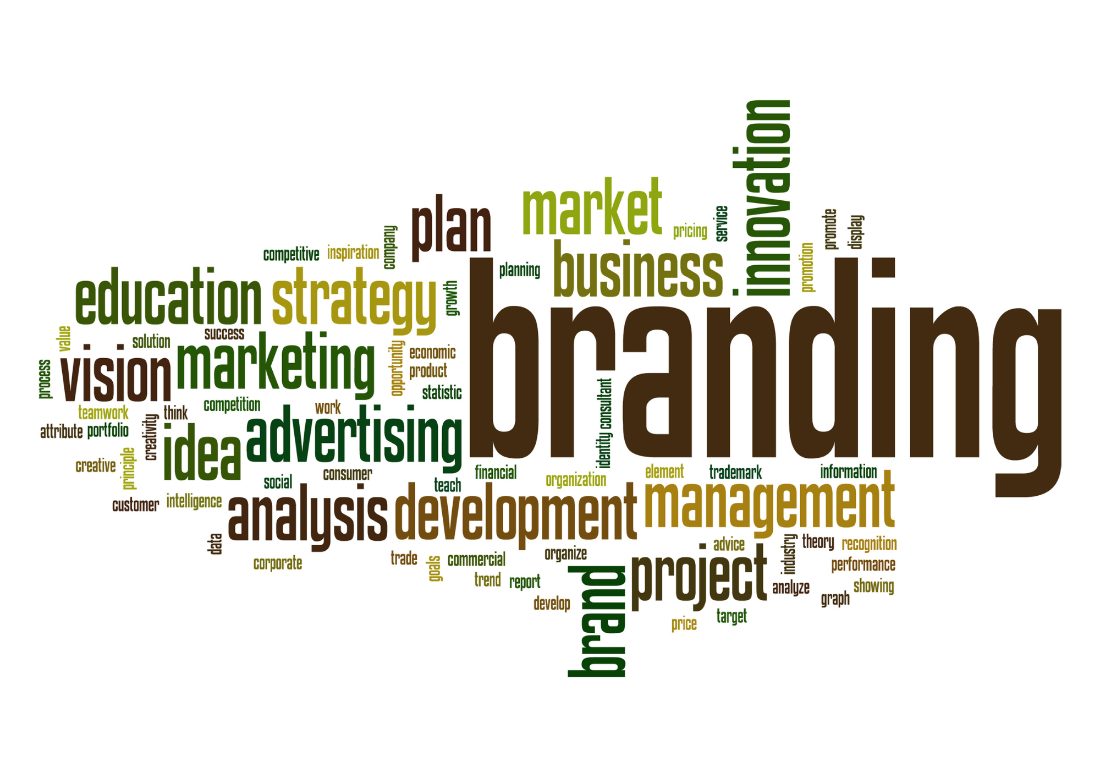
As the word cloud above suggests, branding sits at the intersection of strategy, marketing, advertising, analysis and management. Treat it that way. Bring your numbers into the room: customer data, sales objections, market research. The rebrand should solve problems your data has already exposed.
Evolution, Not Amnesia
The most common fear I hear from founders is losing the equity they have built. It is a valid fear, and the answer is that great rebrands evolve rather than erase. Keep the assets your market recognises and trusts. Sharpen everything else. Think of it as renovating a house you love: the foundation stays, the rooms get rebuilt for how you live now.
The System Behind the Symbol
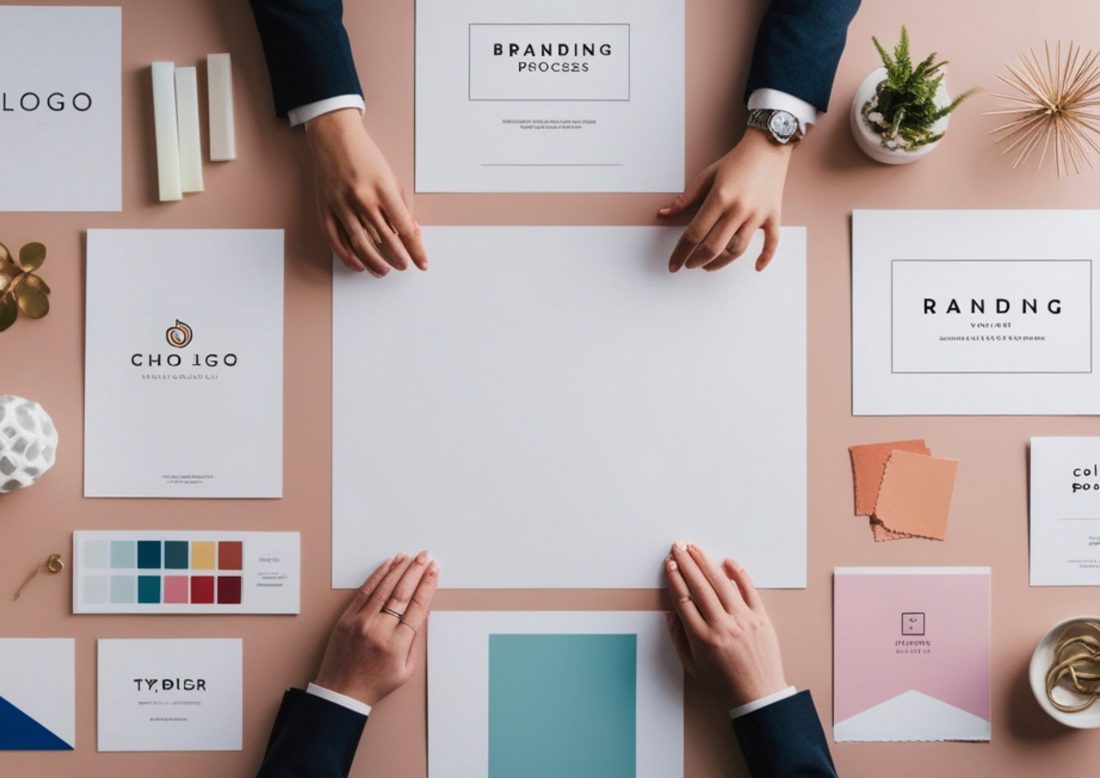
A modern brand is a system, not a symbol. The logo is one component of a larger machine that includes your messaging architecture, your tone of voice, your colour and typography system, your digital experience and your customer journey. When we rebrand a business, we rebuild that whole system so that every touchpoint, from the website to the proposal template to the WhatsApp reply, tells one coherent story.

Winning New Markets
Here is the growth logic. New markets buy from brands that look like they belong there. If you want to move upmarket, your brand must signal the confidence and polish of the tier you are entering. If you want to cross borders in East Africa and beyond, your brand must translate culturally without losing its soul. If you want to attract younger customers, your brand must speak their visual language fluently, not imitate it awkwardly. In each case, the rebrand is the passport.
Customers rarely tell you your brand is the problem. They just quietly choose someone who looks more like the future.
How to Do It Right
Start with strategy: define the growth goal, the target customer and the position you want to own. Audit honestly: keep what earns trust, retire what earns indifference. Design the system: identity, voice, experience, all of it working together. Launch with intent: a rebrand announced with energy becomes a market event; one that leaks out quietly becomes a missed opportunity. And measure: track recognition, lead quality, conversion and pricing power, because a rebrand done right shows up in the numbers.
Your brand should be your hardest-working salesperson. If it has stopped opening doors, it is not a design problem. It is a growth decision waiting to be made.